
What to eat before training? Timing and sample meals
How to plan your pre-workout nutrition: a meal timing table based on digestion, scenarios for morning and evening sessions, plus caffeine and hydration tips.
Pre-workout nutrition is one of the most practical variables determining how a session will go. When two people arrive with the same program, the same trainer and the same amount of sleep, and one loses power in the final sets while the other holds the pace to the end, the difference is usually not ability but timing and meal content. It is also the question our members from around Maltepe and Dragos ask most often at O’Wellness Dragos: “What should I eat before class, and when?” This article covers digestion time, nutrient choice, separate scenarios for morning and evening sessions, the difference between low-intensity sessions such as reformer and high-intensity sessions such as HIIT, and common mistakes. The aim is not to give a recipe, but to pass on the logic with which you can build your own meal. For a personalized calorie and macro plan, we recommend speaking with the dietitian on our team.
The three jobs of the pre-workout meal
A pre-session meal does not serve a single purpose. It has three separate jobs, and separating them out simplifies the question “what should I eat” all by itself.
- Providing usable energy: The glycogen stored in your muscles is the main fuel for moderate and high-intensity work. When stores are low, intensity drops and perceived effort rises.
- Keeping blood sugar steady: Sudden weakness, dizziness or shakiness mid-session is usually the result of intense work after a long stretch without food.
- Protecting stomach comfort: Even if your energy levels are fine, a meal that has not finished digesting causes real discomfort, especially in work that raises core and abdominal pressure, such as reformer or running.
The third point is often overlooked. Taking the right nutrients at the wrong time can make for a worse session than eating nothing at all.

Timing: how long until it digests?
The practical rule is simple: as the time remaining before the session gets shorter, the meal gets smaller, more liquid and more carbohydrate-based. Meals high in fat and fiber keep the stomach busy longer, so they are not preferred close to the session.
| Time left before the session | Meal size | What it could be | What to avoid |
|---|---|---|---|
| 3-4 hours | Normal main meal | Whole grains, a protein source, vegetables, some healthy fat | Oversized portions, heavily fried food |
| 2-3 hours | Small main meal | Oats, yogurt, wholemeal bread and cheese, a boiled egg | Large high-fiber portions, a legume-heavy meal |
| 1-2 hours | Light snack | Fruit and a small protein source, a low-fat sandwich | Oily sauces, creamy desserts, a large salad |
| 30-60 minutes | Very small, quickly digested | Banana, dates, fruit purée, a little honey | A protein-led meal, high-fiber grains, fat |
| 0-15 minutes | Usually not needed | Water; a small portion of dates if needed | Trying a solid meal |
This table is an average. Digestion speed varies markedly from person to person; some members eat a sandwich an hour before and train comfortably, while others feel heavy even two hours after the same meal. You need to find your own threshold through two or three trials, and it makes more sense to run those trials on an ordinary training day rather than before an important session.
The role of carbohydrate, protein and fat before a session
The three macronutrients serve different purposes before a session. Rather than trying to maximize all of them in the same meal, it works better to pick the one that matters most for your timing.
Carbohydrate
The real player before a session. Carbohydrate is the nutrient that most clearly affects performance in strength, HIIT, indoor cycling and fast-paced reformer flows. When there is a long time until the session, more slowly digested sources such as whole grains, oats and bulgur work well; as the time grows shorter, fast sources such as fruit and dates are more comfortable.
Protein
The aim of taking protein before a session is not to increase performance directly but to distribute daily protein intake evenly. A medium-sized portion of protein (yogurt, eggs, milk, low-fat cheese) is well tolerated 2-3 hours beforehand. Loading up on protein 30 minutes before a session usually just creates a feeling of fullness.
Fat
Fat is an indispensable part of a healthy diet, but in the hours before a session the portion should be kept small; because it slows gastric emptying, it increases the risk of discomfort close to the session. If you like nuts as a snack, eating them at least two hours before the session is more comfortable.
Separate scenarios for morning, midday and evening sessions
The time of day you train largely determines your meal plan. Keeping this in mind when you build your weekly schedule makes things easier; the class times our weekly schedule and build your nutrition around that.
Early morning session
If you are going to train shortly after waking, there is no time for a full main meal. There are two options here: having something small and quickly digested (a banana, dates, a glass of milk) or training fasted. Training fasted does not create a problem for most people in low and moderate intensity sessions, for example a morning reformer or walking-based workout. But if you are planning a heavy strength session or intense interval work, a small carbohydrate portion makes a visible difference. If you experience dizziness, cold sweating or marked weakness, insisting on fasted training is not the right thing to do.
Lunch-break session
The most critical point is the gap between breakfast and the session. If you had breakfast early, adding a light snack 60-90 minutes before the session largely prevents the energy dip that comes in the afternoon. Since the post-session meal will be lunch anyway, keeping the snack small is enough.
Evening session
The most frequent mistake made by members coming straight from work is eating nothing in the afternoon and arriving at the 19.00 class after ten hours of fasting. In this situation both session quality drops and excessive appetite appears afterwards. A planned snack in the late afternoon (fruit and yogurt, cheese with whole wheat bread) corrects both sides of this picture. The widespread belief that eating after an evening session causes weight gain does not hold as long as it does not change your total daily intake.
What changes with the session type?
Not every workout creates the same fuel demand. The character of the work you do in the studio should shape your meal decision.
- Reformer Pilates: Moderate intensity, usually 50 minutes, but with a great deal of intra-abdominal pressure and changes in trunk position. A light, fully digested meal is the most comfortable choice. in our reformer Pilates classes most members train comfortably with a small meal 2 hours before the session.
- HIIT and indoor cycling: The group with the highest carbohydrate needs. Accessible carbohydrate 1-2 hours before a session clearly affects performance.
- Strength training: The more sets and total volume you do, the more glycogen matters. In long strength sessions, skipping the pre-session meal comes back as a loss of quality in the final exercises.
- Swimming and pool work: In the water you notice hunger later; a small meal before the session and adequate fluids matter.
- Yoga and flexibility: Training on a full stomach is particularly uncomfortable in forward-bending and rotating movements. Here the “little and early” rule applies.
If you'd like to try different class types together and see which one suits you our group classes you'll find a selection spanning a wide range of intensities.
Fluids and caffeine
The most neglected part of a nutrition plan is fluid. Even mild fluid loss increases perceived difficulty and lowers concentration. The practical approach is to drink water normally 2-3 hours before the session and to take an additional amount of around 200-300 ml close to session time. Regular small sips during the session are more comfortable than drinking large amounts now and then.
Caffeine reduces perceived exertion in many people and supports endurance performance. Its effect usually begins within 30-60 minutes. However, sensitivity to caffeine varies greatly from person to person; if you experience palpitations, restlessness or disrupted sleep, you need to lower the amount or give it up entirely. Before evening sessions, caffeine can negatively affect recovery by disrupting sleep quality. If you have a blood pressure problem, a rhythm disorder, or are taking a medication that may interact with caffeine, talk to your physician about this.
Six common mistakes
- Trying something new right before an important session: Trying a product you have never used before a demanding workout needlessly raises the risk of a digestive surprise.
- A main meal 20 minutes before the session: There isn't enough time to convert it into energy, and your stomach is uncomfortable too.
- Meals high in fiber but close to the session: A big salad, a legume-heavy meal or high-fiber grains can leave you bloated in the hours close to a session.
- Making a rule of always training completely fasted: Fine for some sessions, but in heavy work it brings a drop in performance and a slower recovery.
- Drinking all your fluids at the start of the session: Too much water at once can leave you feeling bloated.
- Using a supplement in place of a meal: Products in bar, powder or drink form are convenient, but they do not replace a planned meal of real food.
How do you build your own protocol?
When it comes to pre-session nutrition, the best plan is not the one that looks ideal on paper; it is the plan you can follow consistently. A practical road map might look like this: for two weeks, keep short notes on what you ate, how many hours before the session you ate it, and how the session went. Rate your energy level, stomach comfort and performance in the final sets from 1 to 5. By the end of two weeks you will see a recurring pattern; the highest-scoring combination becomes your default protocol. This simple log is more valuable than any general recommendation you read online, because it is based directly on your own data.
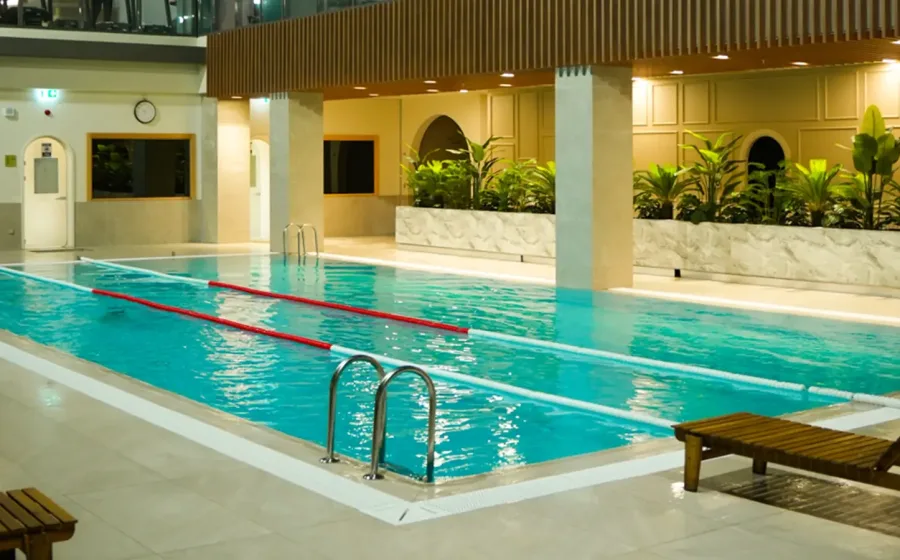
If you have a chronic condition such as diabetes, insulin resistance, thyroid disease, or a kidney or liver problem, if you are pregnant or if you take medication regularly, meal timing and content should be planned individually; this article is for general information and does not replace medical advice. At O’Wellness Dragos you can book an appointment with the dietitian on our staff to build your nutrition plan together with your goals, and if there is a history of injury or pain you can have an assessment with our sports physiotherapist; for details to our private services can look at, or from our contact page you can reach us. At our facility in Cevizli, the heated indoor pool, sauna and steam room can also be part of your post-session recovery routine; massage and spa treatments, meanwhile, are offered by our separate brand O’Spa Dragos is offered within it.
Frequently asked questions
Does training on an empty stomach increase fat burning? The proportion of fat used during a session may increase, but what determines fat loss over the day as a whole is calorie balance. Training fasted does not change that balance by itself. If you feel comfortable, it is not a problem in low-intensity sessions; if you lose performance in hard work, adding a small meal makes more sense.
Is it bad to drink coffee right before training? For most healthy adults it poses no problem and may support endurance. However, if you experience palpitations, heartburn or disrupted sleep, reduce the amount. If you have a heart rhythm problem, high blood pressure or take medication that interacts with caffeine, consult your physician.
Do I need to take protein powder before a session? Not mandatory. If you reach your daily protein target with food, no additional performance advantage is expected. It can be a practical solution when time is short, but it is not a need that replaces real food meals.
How long before an evening class should I eat? Planning the main meal 2-3 hours and a light snack 60-90 minutes beforehand is comfortable for most members. Instead of coming to class after ten hours of fasting, adding a planned snack in the late afternoon markedly improves both session quality and evening appetite.
Related Posts

Daily protein needs: how to calculate by weight, goal and age
How do you calculate daily protein needs by weight and goal? Grams-per-kilogram ranges, distribution per meal, plant-based sources and common misconceptions.
Building a Light Dinner After a Late Workout
What you eat after a workout that ends late in the evening affects both recovery and sleep. Here's how to build a practical, protein-rich dinner plate that's easy on digestion.

Sugar cravings and appetite management: behavioral approaches
The physiological and behavioral reasons behind sugar cravings, seven techniques you can apply in the moment, and a concrete plan for the evening hours.
