
Keeping Rhythm as the Days Get Shorter: Morning Light, Sleep and Training Time in November
Shorter days in November can affect sleep, energy and the desire to train. Here are practical suggestions for making use of morning light and adjusting your training time to the new rhythm.
Changes in sleep and energy as the days get shorter are something many people notice toward the end of autumn. When November arrives, mornings begin in the dark, and by the time work ends in the evening, the sun has long set. This can make waking up harder, create an energy slump in the afternoon and reduce the desire to go to an evening workout. In this article we look at how light affects the daily rhythm and practical ways to protect sleep and training routines during this period.
Light and the internal clock
The body has an internal clock of roughly twenty-four hours, and that clock is set mostly by light. Strong light reaching the eyes in the morning tells the brain the day has begun; alertness rises, and the time sleep arrives in the evening is shaped accordingly. Fading light in the evening, in turn, helps the body prepare for rest.
In winter these signals weaken. Getting up in the dark and starting the day indoors doesn't give the internal clock a clear start signal. In the evening, spending long hours under artificial light and screen light can delay the rest signal. As a result, bedtime can drift and mornings can feel heavier.
This change doesn't appear with the same intensity in everyone. Some people experience a noticeable drop in energy in winter, while others don't notice anything. Observing how your own body responds to this period is the first step in deciding which measures suit you.
Clock practices add to this picture. Even when clocks aren't changed, morning daylight arriving later in winter means the alarm goes off in the dark. In that case, even though the alarm time stays the same, the morning your body perceives has changed, and the first minutes can feel heavier.
Making use of morning light
On shorter days, the most valuable resource is morning light. Even on a cloudy day, outdoor light is far stronger than indoor lighting. Starting the day with a short outdoor break is the simplest way to give the internal clock a clear signal.
- Take a fifteen- to twenty-minute walk within the first hour after waking.
- If you commute by public transport, get off one stop early and walk.
- Have breakfast or your morning coffee by a window.
- If you work from home, put your desk where it gets daylight.
- Make it a habit to go outside at a similar time on weekends too.
The effect of morning light grows with regular repetition. A long walk on one day may not be as effective as a short walk every day. The internal clock responds best to consistent signals, so focusing on continuity rather than duration makes more sense.
Maltepe and the Dragos shoreline offer a big advantage here. A short morning walk along the coast brings together open sky and light reflecting off the sea. Dressing in layers on cool November mornings makes this walk comfortable.
If there's no time for a morning walk, stepping outside for a few minutes at the first chance in the day still helps. A short loop at lunch is always better than no daylight at all.
Keeping a steady bedtime
While light sets the internal clock, a regular sleep schedule anchors it. In winter, a growing gap between weekday and weekend sleep times can make Monday mornings even harder. Going to bed and waking up at similar times every day is one of the strongest tools for protecting rhythm in this period when light signals weaken.
Reducing light in the evening matters too. Using dimmer, warmer-toned lamps instead of ceiling lights in the hour before bed helps the body prepare for rest. Avoiding screens entirely isn't always possible, but lowering the brightness and spending the last half hour before bed screen-free can make a difference.
Responding to the afternoon energy slump with caffeine can also affect bedtime. In winter, cutting off caffeine earlier helps sleep arrive on time in the evening. A short walk or a few minutes of movement is a good alternative for refreshing your energy instead.
The sleep environment should be reviewed in winter too. Rooms with the heating on can be too warm and dry. A cool, dark and quiet bedroom supports sleep quality. Thick curtains prevent waking too early, while opening the curtains or getting light right away at wake-up time strengthens the day's start signal.
Adjusting training time to the new rhythm
Someone who trains in the evenings in summer may find it hard to go to the gym at the same time in November. It's dark when work ends, and the body's rest signals start earlier. Reviewing training time in this period is a practical way to protect motivation.
If possible, shifting a few days a week to morning or midday training offers advantages for both light and energy. Morning training carries alertness into the rest of the day; midday training can offset the afternoon slump. If you'll keep training in the evening, moving intense sessions to earlier evening hours makes the transition to sleep easier.
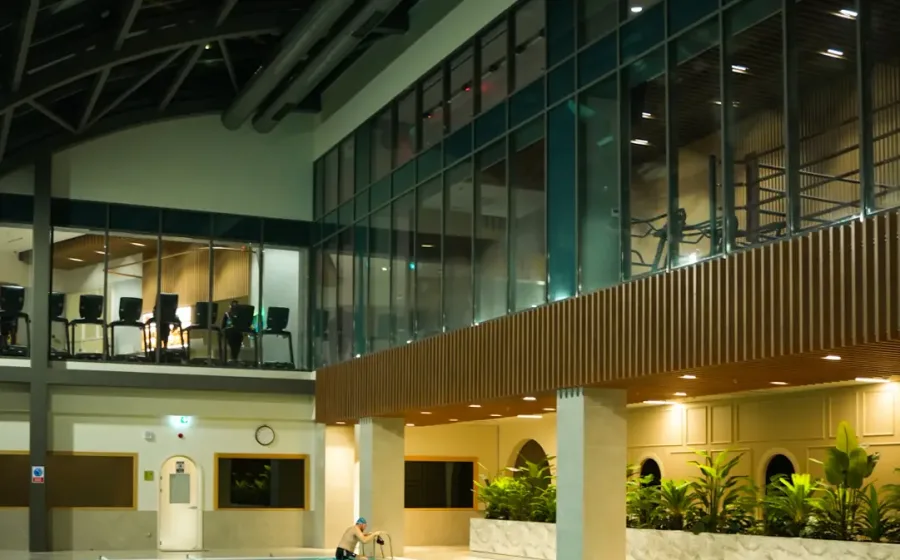
A club like O'Wellness Dragos that offers different formats indoors makes it easier to keep a training routine in the months when it gets dark early. Treadmill running, swimming or group classes can temporarily take the place of outdoor runs, while the morning walk along the shore continues to meet your need for light.
In winter, it may also be necessary to rethink training intensity. In weeks when energy is lower, cutting the number of high-intensity sessions and leaning on mobility, swimming or light strength work helps you keep your rhythm without quitting training. What matters is the continuity of movement.
Mood and movement
In winter some people feel more sluggish or unmotivated. Regular movement, getting out into daylight and keeping up social connections are simple habits that support mood in this period. Going to train with a friend or joining a regular group class makes it easier to stay motivated on dark evenings.
Nutrition affects energy in this period too. Warm, filling foods are tempting in winter, while regular meal times and enough protein and vegetables reduce energy swings during the day. Eating meals at similar times also contributes to the regularity of the internal clock.
However, if you notice a marked lack of motivation lasting more than a few weeks, constant tiredness, serious changes in your sleep pattern or a change in mood that affects daily tasks, take it seriously and consult your doctor. The effect of seasonal changes differs from person to person, and a professional assessment may be needed.
Shorter days may seem like a loss, but they're also an opportunity to rethink your rhythm. Making a bit more room for morning light, spending calmer evenings and fitting training to the new conditions can help you get through winter in a more balanced and energetic way.
Frequently Asked Questions
Does a morning walk still help on cloudy days?
Yes. Even on a cloudy day, outdoor light is much stronger than indoor light and gives the internal clock a meaningful signal.
Is it normal to sleep more in winter?
A slight increase can happen for some people. But if your need for sleep rises markedly and tiredness lasts all day, it's best to consult your doctor.
Does evening training disturb sleep?
It depends on the person. Finishing intense sessions at least a few hours before bed makes falling asleep easier for most people.
Related Posts

Daily step goals: the truth behind the 10,000 steps myth
There is no magic number, but every extra step counts. Practical ways to set and raise a step goal that suits you.

Movement Snacks: Short Exercise Breaks Spread Through the Day
Movement snacks are short exercises of a few minutes scattered through the day. Here's how to break up long stretches of sitting and make the hours outside training more active.
Breathwork and meditation: 10 minutes a day for stress management
Diaphragmatic breathing, box breathing and the structure of a 10-minute meditation; how to fit them into your daily routine and what not to expect.
