
The Daily Movement Rhythm of Coastline Life: The Power of Small Blocks in Maltepe
A balanced way for people living along the shoreline to place walking, cycling, and strength sessions into their day.
Sahil hattında yaşamın günlük hareket ritmi, deniz kenarında oturan ya da çalışan insanların gün içine doğal olarak yerleştirebildiği küçük hareket fırsatlarından oluşur. Maltepe gibi sahil şeridine sahip semtlerde yürüyüş, bisiklet ve açık havada geçirilen zaman, kasıtlı bir antrenman programına dönüşmeden de gündelik hayatın parçası olabilir.
In this article we treat life along the coastline as a movement opportunity and describe, in general terms, the short blocks that can be placed in the day and how they can be balanced with gym training.
The movement advantage of living by the coast
A flat, wide path separated from traffic, such as a shoreline road, makes walking or cycling easier. The fact that many people move along the same route also supports the habit socially: seeing others walking makes it easier to get moving. This is a lower-threshold door to movement than going to a gym.
Another aspect of life along the coast is that movement is seen less as planned exercise and more as a way of life. Seeing the walking path as soon as you step out of your home lowers the threshold needed to put on sports clothes. This low threshold is a quiet advantage that keeps the habit alive, especially in periods when motivation fluctuates.
To notice movement opportunities, first look at your existing day. Think about which trips you could make on foot instead of by car and which meetings could be held standing or walking. Most people find that, even living very close to the shoreline, they are not using half of these opportunities.
The open air and view of the seaside can also be mentally restful. For many people a twenty-minute walk along the shore is a simple way of easing the fatigue of a workday. It is enough to appreciate this effect without exaggerating it, but also without ignoring it.
Movement blocks that fit into the day
In coastline life it is more realistic to think of movement not as one long session but as small blocks spread through the day. Walking along the shore on the way to work, taking a short loop on a lunch break, and adding a bit of cycling on the way home add up to a notable accumulation of movement over the week.
Complex tools are not needed for tracking. At the end of the week it is enough to jot down how many days you walked on the shore and how many strength sessions you did. This simple record shows which weeks went well and helps you build the next plan more realistically.
You can vary the tempo of the walk as well. Walking at a conversational pace one day, with slightly faster strides another, and sometimes speeding up in short intervals turns the same route into a different stimulus. This variety both prevents boredom and supports different aspects of endurance.
- Morning: a brisk walk on the way to work or while walking the dog
- Midday: a fifteen-minute short loop and an outdoor break
- Evening: a calm walk or bike ride after work
- Weekend: a longer shoreline outing with family or friends
Writing these blocks into the calendar as daily routine rather than as training is more lasting. Tracking with simple measures like step count keeps motivation alive; but the real aim is to focus on the routine itself without getting stuck on the number.
Even on busy weekdays a ten-minute shoreline break refreshes the mind. Setting phone notifications aside and simply observing your surroundings can be an effective way to calm down even in a short break. You can think of these small breaks as an appointment you give yourself.
Shoreline walking is not enough: the need for strength
In strength sessions it is also possible to focus on needs often met in coastline life. Strengthening the hips, calves, and ankles loaded by long walks and cycling, and balancing the back and abdominal muscles, can help an active life continue comfortably. Your trainer can place this priority into your sessions.
Walking and cycling are valuable activities that support general endurance, but they do not fully replace the strength work that loads muscles and bones. A strong lower body and back also make walking more comfortable and help maintain movement capacity with age.
For this reason, adding two strength sessions to shoreline walks in the weekly routine offers a balanced frame. You can think of walking days as active rest and strength days as the main loading days. That way you benefit from both daily movement and structured training.
Adjust the balance between walking and strength over time. In busy work weeks walking blocks can come to the forefront, and in freer weeks strength sessions can be increased. This flexibility makes the program fit your life and keeps you from being stuck in a single mold.
Rhythm can break during seasonal transitions on the coast; as summer ends and winter begins, the walking habit loosens. In this transition, increasing indoor sessions and concentrating shoreline walks on the weekend prevents the habit from breaking off entirely. Planning the transition in advance makes it easier to restart when spring comes.
Adapting to season and weather
Life by the shore changes with the seasons. In summer it is important to avoid the hottest hours, prefer early morning or late evening, drink plenty of water, and protect yourself from the sun. In winter, wind and rain call for reviewing the length of the walk and the clothing.
Do not forget the social dimension. Meeting a friend on the shore for a walk brings conversation and movement together. A fixed weekly walking appointment lets both of you feel accountable. Walking companionship often turns into one of the most lasting movement habits outside the gym.
Thinking of an indoor alternative for bad weather days preserves the rhythm. On a rainy day, a session at the gym instead of a walk lets you continue the plan without lowering the weekly movement total. A plan with two options keeps the weather from breaking the routine.
Safety and courtesy along the shoreline
Sunset walks add to the enjoyment of the rhythm. A calm walk taken in the late afternoon when the light changes is a way of letting go of the day's load. A ritual like this takes movement beyond being merely a physical task and makes it a natural part of the day.
Attention is needed on paths shared by pedestrians and cyclists. Giving way to pedestrians while cycling, keeping the volume low enough to hear your surroundings while walking with headphones, and preferring visible clothing in the dark are simple safety measures. For families with children, knowing the crowded hours on the route also helps.
Shoe choice matters too. A comfortable shoe that provides enough cushioning and support for long walks on hard surfaces increases joint comfort. If you feel discomfort, shorten the distance and consult a health professional if needed.
Combining the gym with the shoreline
A shoreline walk can serve as a good warm-up for a gym session. A fifteen-minute brisk walk before the session prepares the body; a short calm walk afterward supports recovery. This combination lets you experience the two activities as a single flow.
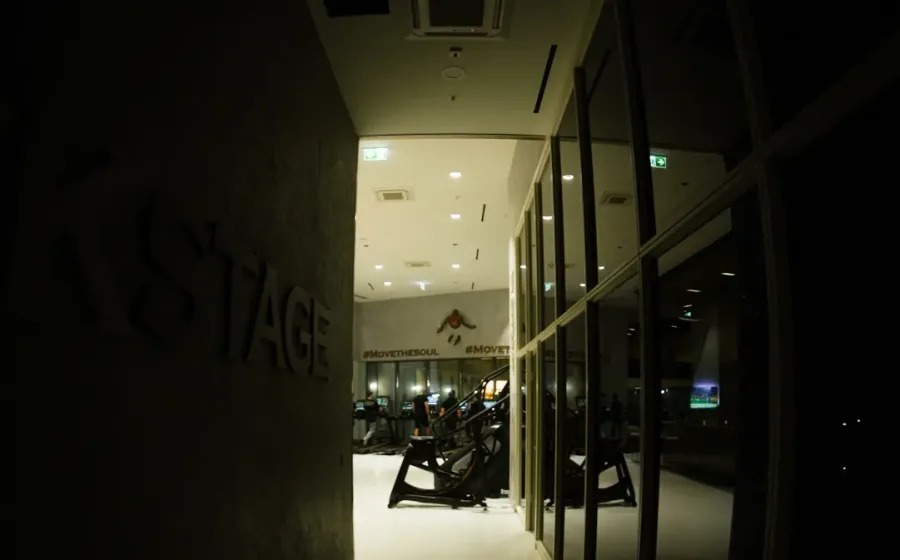
For O'Wellness Dragos members, this link between the shoreline and the club is an advantage that eases the daily routine. It is possible to plan with trainers which day will be a walking day and which a strength day.
Frequently Asked Questions
How many minutes of walking a day is enough?
There is no single right duration. For many people twenty to thirty minutes of brisk walking daily is a reasonable goal and can be broken into smaller blocks. Consult your doctor according to your health status.
Does walking replace strength training?
No; walking is valuable, but complementing it with strength work that loads muscles and bones is a good balance. The two support each other.
What should I do on rainy days?
A short strength or stretching session indoors can take the place of the walk. A backup plan prepared in advance prevents the rhythm from breaking.
Related Posts
A guide to reaching Dragos from Kartal, Pendik and Tuzla
Getting to Dragos from Kartal, Pendik and Tuzla: Marmaray, bus and car compared, approximate journey times and session planning tips for those traveling from further away.

Living in Maltepe: a neighborhood guide from a sport and wellness perspective
What does living in Maltepe mean for sport and wellness? The district's three fitness bands, access by neighborhood, the effect of transport links and a sample weekly routine.

From Kadıköy and Ataşehir to Dragos: the E-5 and the coast road compared
Getting to Dragos from Kadıköy and Ataşehir: the E-5, the coast road and Marmaray compared, approximate journey times and session formats to suit your time window.
